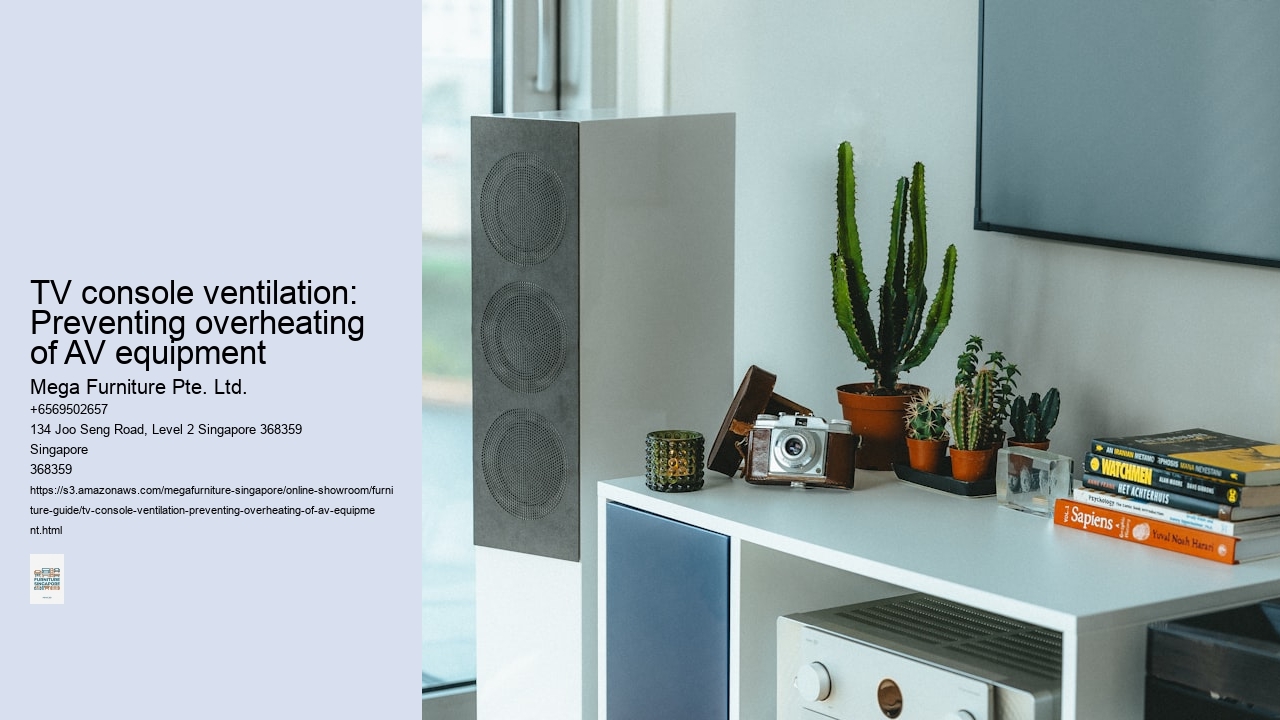
A common sight in Singapore living rooms is a 75-inch TV perched precariously over a 120cm console, looking like a mushroom cap on a toothpick. That top-heavy imbalance isn’t just a design flaw; it makes the entire wall feel unstable and can dominate a modest space. The fix is simple but often overlooked: size the console for your actual wall, not just the screen.
Standard HDB living room walls typically run 3 to 4 metres, leaving a substantial span of empty space on either side if your console is too short. For a 75-inch television, a console length exceeding 180cm is usually necessary to provide a solid visual foundation and avoid that floating, top-heavy look. This proportion creates a more intentional media wall, anchoring the TV as part of a cohesive unit rather than an isolated appliance. In many four-room BTO layouts, that leaves a comfortable 60 to 80cm on each end for a floor lamp or a tall indoor plant.
Balance that scale against your walking space, though. A 240cm console might fit the wall in a spacious condo living area, but in a narrower HDB layout, it could choke the pathway to the balcony or dining area. You’ll want at least 90cm of clear walkway—enough for two people to pass comfortably without brushing the furniture. The goal is a piece that commands the wall without commanding the entire room.
Material choices can subtly influence perceived scale as well. A console in a light oak or washed finish tends to recede visually, while a dark walnut or bold sintered stone top makes its presence more firmly known. For longer runs, consider a mix of closed cabinets and open shelving; the breaks in solid mass prevent the unit from feeling like a monolithic block, especially in rooms under 12 sqm. It’s a practical compromise that offers display space for books or decor while keeping routers and game consoles out of sight.
Ultimately, the right console acts as a plinth for your entertainment setup, not an afterthought. Getting the length right is the first, most critical step in building a living room focal point that feels settled and deliberate.
That beautiful teak console from the showroom can become a warped mess within a single monsoon season. Solid wood, while prized for its grain, acts like a sponge in Singapore's 80% humidity, absorbing moisture unevenly and causing panels to twist or doors to jam. It’s a common sight in older flats: a console that no longer sits flush against the media wall, leaving gaps that ruin the clean look you paid for. For a stable foundation that won't react to daily humidity swings, you’ll need to look beyond solid timber. The material's natural movement makes it a risky long-term investment for a core living room piece. Opting for engineered alternatives is less about sacrificing aesthetics and more about ensuring your console actually lasts.
Engineered wood, with its cross-layered plywood or particleboard core, resists the expansion and contraction that plagues solid planks. This stability is non-negotiable for a console that might house thousands of dollars in electronics. The real performance comes from the surface laminate; a quality melamine or thermofused foil finish creates a near-impermeable seal against ambient moisture. You’re not just getting a stable base—you’re getting a surface that wipes clean without raising the grain. For most HDB households, this combination offers the best balance of durability, cost, and modern finish options. It’s the pragmatic choice that keeps its shape while the weather outside does not.
Powder-coated metal legs are a small detail that makes a disproportionate difference. Standard painted finishes can chip from vacuum knocks or succumb to rust in our coastal humidity, leading to ugly orange stains on light-coloured floors. Powder coating, a dry electrostatically applied polymer, fuses into a thicker, more resilient skin that resists scratches and corrosion far better. Look for legs where the coating feels uniformly smooth, even in the hard-to-reach crevices. This isn't just about aesthetics; it's about preventing structural failure where the console meets the ground. A well-finished leg is a sign the manufacturer considered the entire environment, not just the showroom.
Veneered consoles offer a high-end look without the solid wood price tag, but their weakness is always at the edges. Poorly sealed edges allow humidity to seep into the substrate, causing the thin wood veneer to bubble or peel away—a process called delamination. Run your finger along every exposed edge; you shouldn't feel a distinct ridge or a spongy give. A quality, rounded edge banding that’s seamlessly applied is a strong indicator of good manufacturing. That meticulous edge sealing is what keeps a walnut veneer console looking pristine in a Tampines flat year after year. It’s the critical barrier that defines whether a veneer is a durable surface or a temporary facade.
Finally, judge the whole package by how every material intersection is handled. Check where the melamine panel meets the metal bracket, or how the back panel is attached to the core. Gaps or inconsistent seals are future entry points for moisture and dust. A console that shrugs off humidity is one where every component, from the largest panel to the smallest screw cover, is chosen and assembled with environmental resistance in mind. This holistic integrity is what separates a disposable piece from furniture that endures. You can find consoles built to this philosophy, where material selection is central, by browsing the dedicated TV console range at Megafurniture. The right construction doesn't just resist wear; it quietly earns its place in your home.
The most common mistake isn't buying the wrong console; it's treating it like a sealed cabinet instead of a piece of technical furniture. In a 4-room BTO living room, that 180cm console pushed flush to the wall looks tidy, but it's likely suffocating your PlayStation 5's rear exhaust. Heat just recirculates, and in our humidity, that's a recipe for a noisy fan or a premature failure.
Shelving presents another trap. Those open cubes aren't just for photo frames and decorative boxes—overstuffing them with books or board games creates a solid wall that blocks the side vents on your media streamer or NAS drive. Air needs a clear path to enter and exit; a centimetre of gap behind a device isn't breathing room, it's a thermal dead end.
Perhaps the worst offender is using fully enclosed cabinets for equipment that's always on. Tucking your router, network-attached storage, or gaming console behind a solid door creates a localised heat pocket that no amount of air-conditioning in the room can properly dissipate. The ambient temperature inside that sealed compartment can easily climb 10 to 15 degrees above the room's, silently degrading components. It's a classic case of solving for aesthetics while creating a technical fault line.
The fix is deliberate positioning. Centre your AV receiver on an open shelf, giving it at least 10cm of clearance on all sides. If you must use a cabinet with a door for your set-top box, keep the door permanently ajar during operation. For a floating console design, consider one with a perforated metal back panel or an elevated rear gap specifically designed for cable and air management. It's a small spatial concession that pays off in reliability.
You'll find consoles designed with this in mind, featuring open bays, strategic cut-outs, and even integrated cable channels that keep wires from clogging the few ventilation paths you have. The goal is to marry form with the physical reality of electronics that need to shed waste heat—because in Singapore, that heat has nowhere to go but into your furniture.
The floating console’s clean lines are a favourite for media walls in new BTO flats, but that sleek gap under the cabinet creates a cable management headache that’s often an afterthought. You’re left with a visible tangle of HDMI and power cords dangling to the floor, which rather defeats the minimalist aesthetic. Plan for this from the start by specifying concealed trunking within the carpentry or, in a more extensive renovation, designing a false wall cavity behind the entire media feature—this creates a dedicated channel for all wiring, keeping it completely hidden and allowing for future upgrades. Ventilation is the other critical, and frequently overlooked, factor. A built-in media wall essentially creates a sealed box around your AV components, trapping heat in our year-round humidity; that’s a sure way to shorten the lifespan of a gaming console or AVR. While a floating console aids airflow at its base, the wall cavity itself often lacks any passive cooling. The solution is to incorporate slatted panels or mesh inserts into the design, typically at the cabinet’s sides or rear, to allow hot air to escape naturally. For a more polished look, consider glass-fronted but open-sided cabinets—they display your equipment neatly while ensuring ample air circulation. It’s a balance between form and a very practical function. You might commission a full-height media wall in a Tampines executive condo, with a dedicated nook for a 75-inch screen and integrated lighting; the console below should then be designed as a breathable component of that system, not an isolated piece. This often means opting for a wall-mounted unit with a raised back panel or choosing a floor-standing design that’s been modified to sit within the carpentry, leaving deliberate gaps. The goal is to avoid creating a hot, dead air pocket where your most expensive electronics live. For those not undertaking full carpentry, selecting a console designed with cable management in mind is key. Look for models with multiple, large grommets, rear cable ties, and perhaps a removable back panel—features that help organise the inevitable clutter. You can then pair it with a simpler, slatted shelving unit on the side for components, maintaining airflow. It’s a more modular approach that achieves a similar, integrated look without a full renovation, and you can browse thoughtful options in
Megafurniture’s TV console collection, where several designs address these very Singaporean challenges.
A glossy product shot can’t tell you if the drawer will stick on its third pull in Singapore’s humidity, or if the back panel is just a sheet of cardboard that’ll warp in six months. That’s the core limitation of online shopping for a substantial piece like a TV console — you’re buying the idea of a finish, not the tactile reality of it. You need to see the grain fill on that oak veneer, run a hand along the routed edge to check for snags, and feel the weight of a door when it swings. Megafurniture’s Joo Seng showroom exists for this exact, critical inspection.
The build details that matter for daily life are often omitted from listings. Smooth drawer glides are non-negotiable for accessing games and remotes, but you’ll only hear that tell-tale gritty scrape in person. Rear panel construction is another hidden spec; a proper plywood or solid backing adds crucial racking strength, especially for longer units over 180cm that might house a 65-inch TV and its accompanying gear. A flimsy back means the whole structure can twist over time on a concrete-slab HDB floor.
Ventilation is another feature that demands a physical check. Online images might show decorative slats or a mesh grille, but you need to assess the actual airflow gaps behind them — are they sufficient for a warm AV receiver or a PlayStation 5? Gauge the true internal depth, too. A listed 40cm depth sounds ample until you realise your soundbar and its cables need 35cm, leaving no room for proper cable management at the rear. You’re not just measuring for the equipment you own now, but for what you might add later.
Sturdiness is ultimately a physical test. Apply some pressure to a corner; does the frame feel solid or does it flex with a slight creak? Open all the doors at once on a floor-standing model — does it feel stable, or does the weight distribution make it want to tip? These are the checks that transform a speculative online purchase into a confident one. For a piece that’s meant to be a quiet, reliable foundation for your entertainment setup, that trip to the showroom isn’t an optional extra — it’s the main event. You can start that inspection by browsing Megafurniture’s collection online, but the final decision should happen with your hands on the actual unit at Joo Seng.
That gap between your BTO’s living room window and the floor is exactly 90cm — and a standard TV console is 45cm high. It’s a perfect fit, technically, but you’ll want a solid wood or laminate top; direct afternoon sun in Bedok or Tampines can warp MDF over a few seasons.
Can a console go below an HDB window? Yes, but seal the back panel where it meets the wall with silicone to stop monsoon-driven dampness from seeping in. Mould inside the cabinet usually starts there, or from trapping humid air behind closed doors — install small, discreet ventilation grilles or leave cable access holes open at the back. A $20 dehumidifier tub tucked behind your media player works, but it’s a monthly chore.
Wall-mounting on BTO hollow walls is safe if you use the right hardware. Don’t rely on standard plastic plugs; you need proper hollow-wall anchors that expand behind the plasterboard, rated for at least 30kg each. For a fully loaded 180cm console, that’s six anchors into the studs where you can find them, and heavy-duty toggle bolts for the rest. It’s overkill, but overkill is what keeps a $2,000 setup off the floor.
Delivery becomes the real puzzle when your chosen console is longer than the lift. For a 240cm solid wood unit, check if the supplier offers on-site assembly — where the piece is brought up in sections and joined in your living room. Otherwise, it’s crane service from the exterior, which adds $300 to $800 and requires HDB approval; you’ll need to organise that yourself, and factor in the waiting time.
That final walk-through of your 4-room BTO floor plan, with delivery dates circled and renovation milestones highlighted, is where buyer’s confidence either solidifies or evaporates. It’s the practical, unglamorous checklist that separates a smooth installation from a logistical headache that delays your move-in by weeks.
Confirm the retailer’s quoted delivery timeline aligns precisely with your renovation schedule — a console arriving before your flooring is finished means storing a 180cm unit in a corridor, risking scratches. Check the warranty details for specifics; you want coverage for laminate blistering in our humidity and for hinge corrosion, which is a common failure point on frequently opened doors in a family living room. Then, physically measure your lift’s interior dimensions and your staircase’s tightest turn; a console shipped flat-packed in a long box can be surprisingly unwieldy in a Bedok point block.
The assembly decision is critical. DIY seems cost-effective, but the risk is a misaligned frame or doors that don’t hang flush — imperfections you’ll notice every time you look at your media wall. Professional installers, conversely, will use a spirit level to ensure the unit sits perfectly straight even on the uneven tiles common in older resale flats; they’ll also handle the heavy lifting and any minor on-site adjustments.
Allocate a final hour to revisit your space with a tape measure, confirming not just the wall length but also the clearance needed for existing furniture and walking paths. This last verification turns a paper plan into a functional centrepiece for your living room. You can review a range of dimensions and styles to finalise your choice in Megafurniture’s collection.
The AVR that died in a Bishan living room last monsoon wasn't old-it was just sealed in. Singapore's ambient humidity, often sitting at 80%, doesn't just feel oppressive; it turns any enclosed cabinet into a slow-cooker for electronics. A TV console anchors the wall opposite the sofa in the same way a tall bookshelf anchors a corner — long horizontal piece, mix of open and closed storage, defines the visual weight of one whole side of the room. Megafurniture's TV Console range covers floating wall-mounted designs, low-profile freestanding consoles, and modular feature-wall configurations. Most pieces sit at 40-50cm height, sized for screens up to 75 inches.. Combine that with the steady heat output from a modern 65-inch TV, a PlayStation 5, and a media streamer, and you're creating a microclimate that accelerates component failure. Condensation forms on circuit boards, thermal paste degrades faster, and that faint hum you hear might be your gear working harder than it should.
Active cooling, then, isn't a luxury feature-it's a design prerequisite. Buyer wants a sleek, closed-front console for a clean look in their Punggol BTO, but sealed cabinets are a genuine liability here. They trap heat and moisture with nowhere to go, a problem that a simple set of ventilation holes cut into the back panel can largely solve. These perforations, often overlooked, allow the natural convection of hot air upwards and out, drawing in slightly cooler room air from below. It's a passive system, but it works.
For heavier setups, especially in media walls where consoles are fully integrated, passive venting often isn't enough. That's where you need to plan for active measures. Specify a cabinet with a wire-access grommet large enough to also accommodate a small 120mm USB-powered exhaust fan, or better yet, choose a design with an open back panel entirely. Some floor-standing models feature slatted sides or a raised plinth that promotes airflow along the entire unit's length. The goal is constant air exchange, not just a few token holes.
The most common compromise is the partially open back, where a central panel is removed to route cables, leaving a gap. It's a start, but it's rarely sufficient for a packed cabinet. In many homes, the best-performing console is the one that prioritises form *following* this function-look for designs that incorporate ventilation as a core aesthetic, like mesh panels or tiered shelving that naturally separates heat sources. You can browse a range that considers this at Megafurniture's collection, focusing on models that don't treat airflow as an afterthought.
Ignore this, and you're not just risking a repair bill-you're shortening the lifespan of every device inside. That sleek, solid-backed console might look perfect against your feature wall, but after a year of Singapore's climate, the inside could tell a very different story.
The AVR that died in a Bishan living room last monsoon wasn't old—it was just sealed in. Singapore’s ambient humidity, often sitting at 80%, doesn't just feel oppressive; it turns any enclosed cabinet into a slow-cooker for electronics. Combine that with the steady heat output from a modern 65-inch TV, a PlayStation 5, and a media streamer, and you’re creating a microclimate that accelerates component failure. Condensation forms on circuit boards, thermal paste degrades faster, and that faint hum you hear might be your gear working harder than it should.
Active cooling, then, isn't a luxury feature—it’s a design prerequisite. Buyer wants a sleek, closed-front console for a clean look in their Punggol BTO, but sealed cabinets are a genuine liability here. They trap heat and moisture with nowhere to go, a problem that a simple set of ventilation holes cut into the back panel can largely solve. These perforations, often overlooked, allow the natural convection of hot air upwards and out, drawing in slightly cooler room air from below. It’s a passive system, but it works.
For heavier setups, especially in media walls where consoles are fully integrated, passive venting often isn’t enough. That’s where you need to plan for active measures. Specify a cabinet with a wire-access grommet large enough to also accommodate a small 120mm USB-powered exhaust fan, or better yet, choose a design with an open back panel entirely. Some floor-standing models feature slatted sides or a raised plinth that promotes airflow along the entire unit’s length. The goal is constant air exchange, not just a few token holes.
The most common compromise is the partially open back, where a central panel is removed to route cables, leaving a gap. It’s a start, but it’s rarely sufficient for a packed cabinet. In many homes, the best-performing console is the one that prioritises form *following* this function—look for designs that incorporate ventilation as a core aesthetic, like mesh panels or tiered shelving that naturally separates heat sources. You can browse a range that considers this at Megafurniture’s collection, focusing on models that don’t treat airflow as an afterthought.
Ignore this, and you’re not just risking a repair bill—you’re shortening the lifespan of every device inside. That sleek, solid-backed console might look perfect against your feature wall, but after a year of Singapore’s climate, the inside could tell a very different story.